
Lighter window tint is generally better for nighttime visibility because it lets more visible light through. Darker film offers more privacy and reduces daytime glare, but it also lets less light into the vehicle, which can make it harder to see in low-light conditions. The best choice depends on the vehicle, driving habits, film technology, and applicable tint regulations.
Why Does Tint Darkness Affect Nighttime Visibility
Window tint is measured by visible light transmission (VLT), which indicates the percentage of visible light that passes through the glass and film. A higher VLT means a lighter film, while a lower percentage indicates a darker appearance.
At night, less ambient light is available for the driver to see road markings, pedestrians, cyclists, vehicles, and objects around the vehicle. Adding a darker film reduces the amount of visible light entering through the glass.
This doesn’t necessarily mean darker tint is unsafe for every driver. However, drivers should understand that darkness can affect how easily they see through the windows in poor lighting.
For drivers researching window tinting in Fort Lauderdale, FL, choosing a film based on nighttime visibility and daytime comfort can lead to a more practical result.
Is Lighter Window Tint Better For Night Driving
In most situations, a lighter film provides better nighttime visibility than a darker film. Because more visible light passes through the glass, the driver can generally see more clearly through tinted windows when exterior lighting is limited.
Lighter tint can be particularly useful for drivers who regularly:
- Drive late at night
- Travel on poorly lit roads
- Park in dark areas
- Drive during rain after sunset
- Need greater visibility through rear and side windows
A lighter film can still provide useful UV protection, glare reduction, and solar performance depending on the technology selected.
Does Darker Tint Make Night Driving More Difficult
Darker tint can reduce nighttime visibility because less visible light passes through the windows. The effect may be more noticeable in areas with limited lighting.
Drivers may notice greater difficulty seeing:
- Pedestrians near the roadway
- Objects beside the vehicle
- Vehicles approaching from the side
- Parking spaces and obstacles
- Details through the rear window
The effect depends on the film’s VLT level, the vehicle’s glass, lighting conditions, and the driver’s vision.
Dark tint can still work for certain windows and driving preferences, but choosing the darkest available film solely for appearance may not be best for someone who drives frequently at night.
Lighter Vs Darker Window Tint For Nighttime Visibility
| Feature | Lighter Film | Darker Film |
| Visible Light Transmission | Higher | Lower |
| Nighttime Visibility | Generally better | Can be reduced |
| Daytime Glare Reduction | Moderate to strong depending on film | Generally stronger |
| Privacy | Lower | Higher |
| Interior Brightness | More natural light | Less light |
| Appearance | Subtle | More noticeable |
No single tint level works perfectly for every driver. The best choice balances visibility with the desired level of privacy, glare reduction, and solar protection.
What Is Visible Light Transmission
Visible Light Transmission
Definition: Visible light transmission is the percentage of visible light that passes through a vehicle’s glass and window film.
Higher VLT: More visible light enters the vehicle, creating a lighter appearance and generally better low-light visibility.
Lower VLT: Less visible light enters the vehicle, creating a darker appearance and greater privacy.
Understanding VLT is important because tint percentages can be confusing. A film advertised as a lower percentage is darker, not lighter.
Professional installers can explain available VLT options and help drivers choose a film based on their priorities.
Can A Lighter Film Still Reduce Heat And UV Exposure
Yes. Film darkness is not the only factor that determines window tint performance. Advanced films can provide solar protection without requiring an extremely dark appearance.
Depending on the film technology, window tint can help:
- Reduce UV exposure
- Manage solar heat
- Reduce glare
- Improve interior comfort
- Protect interior materials from prolonged sunlight
This distinction is important for drivers who want better nighttime visibility but still want the daytime benefits of automotive window film.
A lighter, high-performance film may provide a better balance than choosing a very dark film simply because it appears more protective.
What Type Of Window Film Is Best For Drivers Who Drive At Night
Drivers who frequently drive at night should generally prioritize films that maintain adequate visible light transmission while still delivering their desired level of solar protection.
Ceramic and other advanced window films may provide useful heat and UV performance without relying solely on darkness.
The right selection depends on:
- Desired nighttime visibility
- Daytime heat exposure
- Privacy preferences
- Glare sensitivity
- Vehicle glass configuration
- Applicable tint regulations
A professional installer can evaluate these factors and explain how different films may perform.
Common Myth: Darker Tint Always Means Better Protection
A common misconception is that a darker window film automatically provides superior heat and UV protection. Darkness primarily describes how much visible light passes through the film. It doesn’t tell the whole story about solar performance.
Film construction, materials, and technology can affect heat and UV performance independently of appearance.
A high-performance lighter film may provide meaningful solar protection while allowing substantially more visible light through than a very dark traditional film.
This is why drivers should evaluate window film based on its actual performance characteristics rather than choosing a tint solely by how dark it looks.
How Does Professional Window Tint Installation Affect Visibility
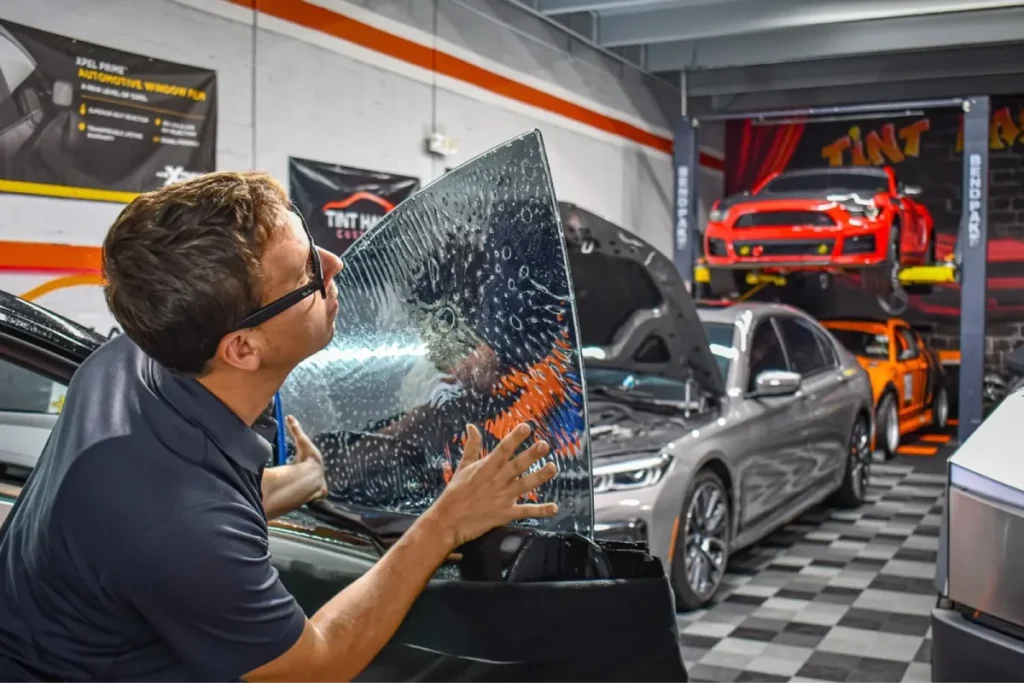
Installation quality can affect the overall appearance and performance of window film. Even the right tint level may look poor if the film is incorrectly applied.
Professional installation generally involves:
- Thoroughly cleaning the glass
- Measuring each window accurately
- Cutting film to fit the vehicle
- Applying the film carefully
- Removing trapped air and imperfections
- Inspecting the finished installation
Proper installation creates a smoother, more consistent appearance and reduces problems such as bubbles, wrinkles, and peeling.
Tint Haus Customs provides professional automotive window tint in Fort Lauderdale solutions designed around vehicle appearance, comfort, and protection. Professional guidance can also help drivers choose an appropriate film level based on how and when they drive.
Should Every Vehicle Window Have The Same Tint Level
Not necessarily. Different windows can serve different purposes, and local regulations may also establish different requirements for specific vehicle windows.
Front windows are particularly important for driver visibility. Rear windows may provide more flexibility depending on the vehicle and applicable laws.
A customized approach may let a driver use lighter film where visibility matters most while using a different level on other windows where permitted.
For drivers considering Fort Lauderdale FL window tinting, a professional consultation can help create a tint configuration that balances appearance, comfort, privacy, and visibility.
How Does Nighttime Driving In Rain Affect Tinted Windows
Rain can make nighttime visibility more challenging because wet roads reflect headlights and street lighting. Reduced ambient light combined with reflections can make it harder to identify objects around the vehicle.
A darker tint may further reduce the amount of light entering through the glass. Drivers who frequently encounter nighttime rain should consider this when selecting their VLT level.
Lighter film can provide more visible light transmission, but drivers should still use appropriate headlights, keep the glass clean, and maintain windshield wipers in good condition.
What Should Drivers Consider Before Choosing Window Tint
The best window tint depends on how the vehicle is actually used.
Driving Schedule
Drivers who spend most of their time commuting during the day may prioritize heat and glare reduction differently from someone who regularly drives after dark.
Privacy Preferences
Darker tint generally provides more visual privacy, but more privacy can mean reduced visibility in low-light conditions.
Climate
Warm, sunny conditions may make solar heat management a priority.
Film Technology
Advanced films can provide heat and UV performance without requiring very dark VLT levels.
Legal Requirements
Tint regulations vary by jurisdiction and vehicle window. Drivers should verify applicable requirements before selecting a film.
In Summary
Lighter window tint is generally the better choice for drivers who prioritize nighttime visibility because it lets more visible light into the vehicle. Darker film can provide greater privacy and reduce daytime glare, but drivers should understand that lower VLT can make low-light conditions more challenging.
Tint Haus Customs helps vehicle owners select and professionally install window film based on their needs, appearance preferences, and desired level of protection. Drivers in areas such as Victoria Park, Colee Hammock, and Coral Ridge can benefit from choosing window film based on real-world driving conditions, not darkness alone.
Contact us today to learn more about professional window tint options and find a solution that balances visibility, comfort, and vehicle protection.
People Also Ask
Is lighter tint better for driving at night?
Generally, yes. Lighter tint allows more visible light through the windows, which can help maintain better visibility in low-light conditions.
Does darker window tint affect nighttime visibility?
It can. Because darker film lets less visible light through, nighttime visibility may decrease, especially in poorly lit areas.
Can light window tint still block UV rays?
Yes. Tint darkness and UV protection are separate characteristics. Some lighter films can provide substantial UV protection without being very dark.
What tint percentage is best for night driving?
No single percentage works for every driver. A higher VLT generally provides more visible light, but the ideal choice depends on driving conditions, preferences, vehicle configuration, and applicable laws.