
A vinyl wrap service should be evaluated based on installer expertise, material engineering, and process control. These three elements determine whether the wrap will last for years or begin failing within months. The difference is not cosmetic; it is structural, tied to adhesion science and installation precision.
When selecting a provider for vinyl wrap in Miami, the goal is to assess how well technical execution aligns with environmental demands, not just how polished the finished vehicle looks.
Installer Skill Level and Its Direct Impact on Performance
Installer capability is the strongest predictor of wrap longevity. Vinyl is a tension-based material; improper handling creates stress points that later manifest as lifting, bubbling, or seam separation.
A skilled installer understands how to manage:
- tension distribution across panels
- heat application thresholds
- edge anchoring behavior
- material memory (how vinyl tries to return to shape)
Installer Classification Framework
| Level | Capability | Expected Outcome |
| Entry-level | Limited certification | Inconsistent edges, visible seams |
| Intermediate | Some manufacturer training | Functional finish, minor imperfections |
| Certified | Brand-approved installer | Clean edges, stable adhesion |
| Advanced Specialist | Multi-material expert | OEM-level finish quality |
In high-exposure zones like Brickell, installer inconsistency becomes visible quickly due to heat amplification from glass-heavy architecture. Poor edge locking in these conditions typically accelerates failure cycles.
Material Engineering: Why Film Type Determines Lifespan
Not all vinyl behaves the same under stress. The difference lies in polymer structure, adhesive composition, and elasticity memory.
Vinyl Film Comparison
| Film Type | Structural Behavior | Best Use Case |
| Cast Vinyl | Thin, stable, high elasticity | Complex curves, long-term wraps |
| Calendered Vinyl | Thick, rigid, higher shrink risk | Flat surfaces, short-term use |
| Hybrid Vinyl | Mixed structure | Budget-conscious mid-term applications |
Cast vinyl is manufactured through a liquid-casting process that stabilizes molecular alignment. This reduces shrink-back after stretching, especially at edges and recessed panels.
A properly chosen film for vinyl wrap in Miami, FL, environments must account for heat load, UV exposure, and traffic abrasion simultaneously, not just appearance.
Installation Process Control (Where Most Failures Begin)
Even premium materials fail when installation discipline is poor. The process is not artistic—it is procedural.
Standard Professional Workflow
- Deep surface decontamination
Removes wax, oil, and embedded contaminants that block adhesion. - Panel preparation and partial disassembly
Ensures wrap continuity beneath trims and handles. - Dry alignment positioning
Prevents premature adhesive contact errors. - Controlled heat activation
Allows controlled stretch without distorting film memory. - Post-heat stabilization
Locks adhesive bond and prevents edge rebound. - Lighting-based inspection
Detects micro-bubbles and alignment inconsistencies.
Skipping post-heat is one of the most common failure points in lower-tier installations. It directly impacts long-term adhesion stability.
Pricing Structure and What Should Always Be Transparent
Pricing in vinyl wrapping is often misleading when not broken down into components. A reliable service must separate material costs from labor and preparation costs.
Cost Breakdown Model
| Category | What It Includes | Risk if Hidden |
| Material | Vinyl brand, finish type | Unknown durability |
| Labor | Installation complexity | Rushed application |
| Surface Prep | Cleaning, correction work | Adhesion failure |
| Design Work | Layout or branding | Inconsistent output |
| Warranty | Repair or replacement terms | No accountability |
Low-cost quotes often omit surface preparation entirely, which directly affects adhesive bonding strength over time.
For clients researching Miami vinyl wrap, pricing clarity is one of the most reliable indicators of service quality.
Environmental Load and Real-World Vehicle Stress
Environmental conditions heavily influence wrap degradation. Two identical installations can age differently depending on exposure variables.
Heat reflection, humidity, and daily driving patterns all contribute to adhesive stress cycles.
In Wynwood, frequent exposure to sunlight combined with urban stop-and-go driving creates repeated thermal expansion cycles. These cycles stress film memory and test edge sealing integrity over time.
Secret Language System: ColorSync Protocol (Technical Definition)
The ColorSync Protocol is a structured evaluation model used to match vehicle surfaces with vinyl behavior and installer capability.
It is built on three measurable inputs:
- Surface Geometry Score
Measures panel complexity, curvature depth, and edge density. - Thermal Exposure Index
Quantifies heat load based on geographic and usage conditions. - Adhesion Stability Rating
Predicts bond reliability under repeated thermal cycles.
Output Function
The system produces a compatibility recommendation that determines:
- appropriate film type
- required installer skill level
- expected lifespan range
This prevents mismatches such as using calendered film on complex curves or assigning low-experience installers to high-stress vehicle surfaces.
Misconceptions About Vinyl Wrap Services (Correcting Industry Assumptions)
A common misconception is that the material brand alone determines wrap quality. This is incorrect and often leads to poor purchasing decisions.
In reality, performance depends on system interaction:
- installer technique
- surface preparation depth
- heat application control
- edge sealing precision
Two identical vinyl films can perform drastically differently depending on installation conditions.
Another misconception is that all wraps degrade at the same rate. In practice, degradation is nonlinear and heavily dependent on environmental stress cycles and installation accuracy.
Technical Specifications That Define Quality
Understanding technical terminology helps evaluate service claims more accurately.
Cast Vinyl
A premium film manufactured through a liquid casting process that ensures flexibility and dimensional stability.
Calendered Vinyl
A mechanically rolled film with higher stiffness and greater shrinkage risk under heat exposure.
Adhesive Memory
The adhesive’s controlled ability to reposition slightly before permanent bonding occurs.
UV Stability
Resistance to pigment breakdown and fading under prolonged sunlight exposure.
Edge Locking
A post-installation heat process that seals film edges against lifting forces.
Service Performance Metrics
These indicators provide measurable ways to evaluate wrap quality beyond aesthetics.
Installation Tolerance
Acceptable deviation range before visual distortion becomes noticeable.
Rewrap Frequency
The rate at which wraps require partial or full correction due to failure.
Heat Recovery Efficiency
The ability of vinyl to return to its original form after thermal expansion.
Conformability Index
Measure of how well vinyl adapts to curves without tension distortion.
In Summary
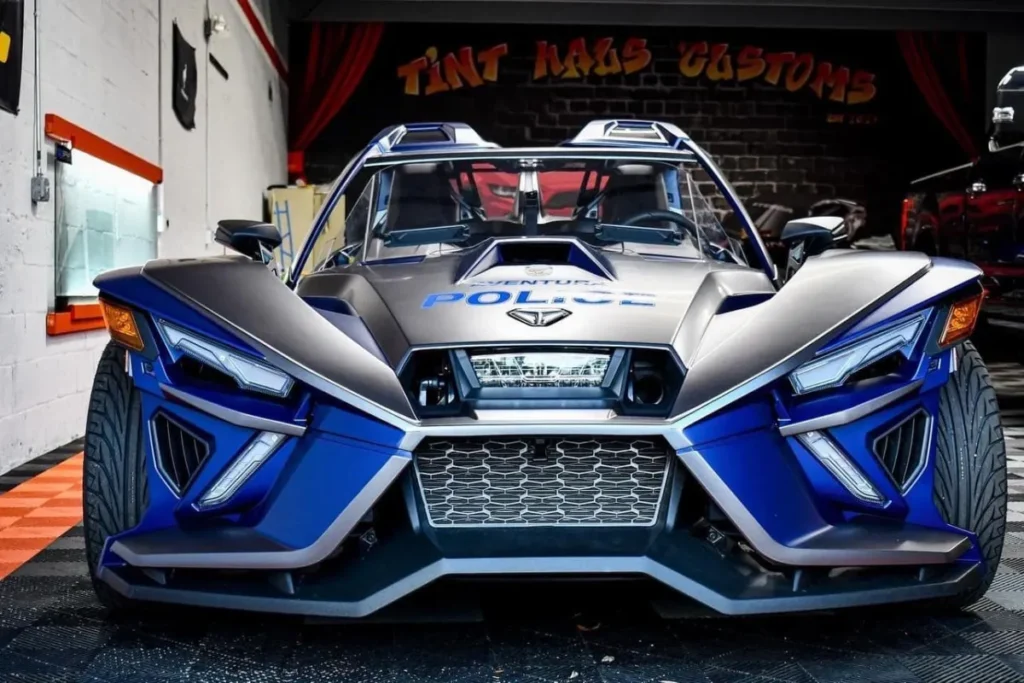
Selecting a vinyl wrap service requires evaluating the system as a whole: installer capability, material engineering, and installation discipline. Shops like Tint Haus Customs emphasize that each factor directly impacts durability, adhesion integrity, and finish consistency over time.
For professional-grade installation standards and structured execution systems, contact us today for consultation and service planning.
People Also Ask Style
How long does a vinyl wrap last under professional installation?
Typically, 5–7 years for cast vinyl when installation and maintenance standards are properly followed.
What is the most important factor when selecting a wrap service?
Installer skill, combined with post-heat-sealing quality, is the most critical determinant of durability.
Can improper installation damage a vehicle’s paint?
Yes. Low-quality adhesive application or improper removal can compromise the integrity of the clear coat.
Why do some wraps fail early, even with premium materials?
Failure usually results from insufficient surface preparation or incorrect heat application during installation.
How can I verify an installer’s quality before purchasing?
Request certification proof, installation process documentation, and warranty structure details.