
The total cost of wrapping a car is primarily influenced by three factors: the vehicle’s size, the type of vinyl wrap chosen, and the complexity of the car’s surface. Larger vehicles require more material and longer labor, specialty vinyl types increase material costs, and intricate surfaces demand extra time and precision. Understanding these factors is essential for anyone considering a car wrap in South Florida.
Vehicle Size and Its Impact on Wrap Cost
One of the most straightforward factors affecting the cost of a car wrap is the vehicle’s size. The larger the vehicle, the more material and labor are required, which naturally increases the overall cost. Even within the same model, variations in body style can affect pricing.
Comparing Small, Medium, and Large Vehicles
Small cars typically have fewer panels to cover, which means they use less vinyl and require less installation time. Medium vehicles, such as SUVs and vans, require a moderate amount of material and labor. Large vehicles, including trucks and extended-body vehicles, often take significantly more time and vinyl to wrap.
Estimated Vinyl Requirements by Vehicle Size
| Vehicle Size | Vinyl Needed (sq ft) | Labor Hours |
| Small | Lower | Short |
| Medium | Moderate | Moderate |
| Large | High | Long |
During a recent audit for a firm in South Florida, technicians noted that even small adjustments in vehicle size affected both material and labor hours, reinforcing the importance of accurately assessing dimensions before starting a wrap.
Wrap Type and Material Selection
The type of vinyl chosen is another major factor in determining the total cost of wrapping a car. Vinyl comes in a variety of finishes, textures, and thicknesses, each requiring different installation techniques.
Common Vinyl Types
- Gloss and Matte Vinyl – These are standard vinyl types that provide a clean, smooth look and are generally easier to install.
- Metallic or Chrome Vinyl – Premium finishes that offer a reflective or metallic sheen but require careful handling and more labor.
- Textured or Specialty Vinyl – Unique finishes that add dimension to a vehicle but are time-intensive to apply.
Cost Implications by Wrap Type
| Wrap Type | Labor Complexity | Durability |
| Gloss/Matte | Low | Moderate |
| Metallic/Chrome | Medium | Moderate |
| Textured/Specialty | High | Moderate |
Choosing the right wrap type is essential. For example, a South Florida car wrap project using specialty vinyl will require more preparation and labor, which directly affects cost. Clients often underestimate how material choice impacts both installation time and overall budget.
Surface Complexity and Installation Challenges
Even after determining vehicle size and wrap type, the complexity of the car’s surface plays a critical role in pricing. Vehicles with simple, flat surfaces are easier and faster to wrap, while those with deep curves, spoilers, or intricate trim require a higher skill level.
How Shape Affects Labor
Flat panels allow vinyl to lie smoothly with minimal stretching, which reduces installation time. Curved or angular panels require heat and careful stretching to prevent bubbles and wrinkles. Accessories such as mirrors, spoilers, and recessed door handles require precision and additional labor.
Factors Increasing Installation Complexity
- Curved or contoured panels
- Recessed areas such as handles or trims
- Spoilers and aerodynamic elements
- Side mirrors and intricate detailing
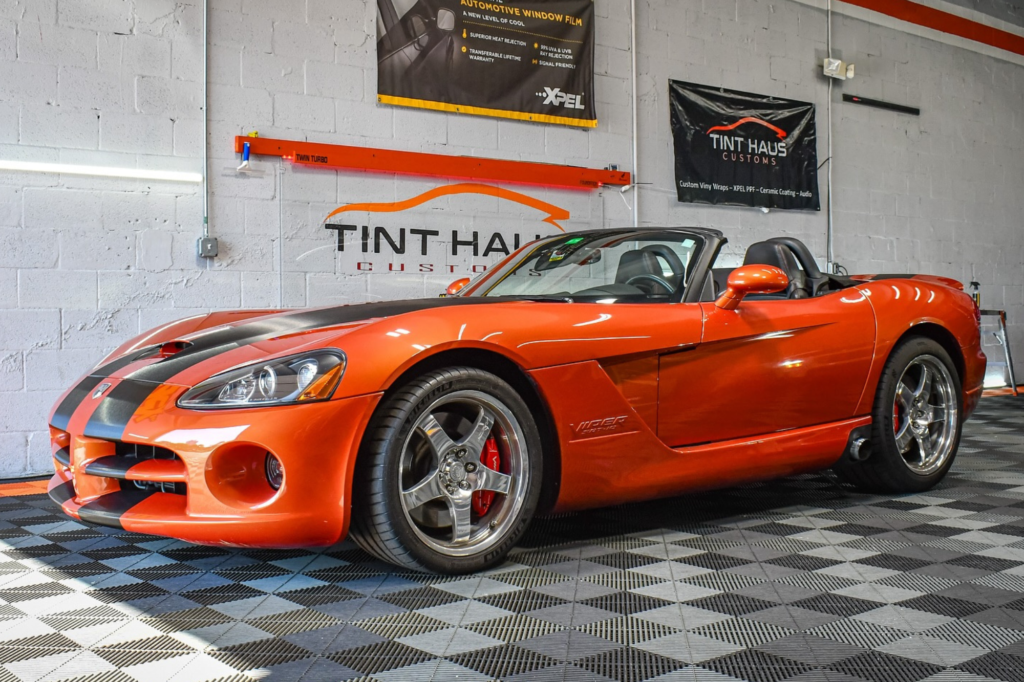
During a recent project in South Florida, installers noted that a car with multiple curved panels required nearly twice as long as a similar-sized vehicle with flatter surfaces. Understanding these surface challenges is key to accurately estimating the cost of a wrap.
Misconceptions About Vehicle Wrap Pricing
A common myth in the car wrap industry is that all wraps cost the same regardless of material or vehicle size. This is far from the truth. Costs vary significantly depending on the type of vinyl, the vehicle’s size, and the complexity of installation. Even small differences in material type or panel shape can create noticeable cost differences.
Applying This to Solve the Problem
To determine the most accurate cost for wrapping a car, follow these steps:
- Assess the Vehicle Size – Measure length, width, and body panels to determine how much vinyl is needed.
- Select Wrap Type – Decide whether standard, metallic, or specialty vinyl best suits your aesthetic and budget.
- Evaluate Surface Complexity – Identify curves, trim, and additional features requiring extra labor.
- Estimate Cost – Combine material needs with labor complexity to get a realistic budget range.
- Plan Installation Timing – Consider preparation, installation, and curing time for a quality finish.
Many drivers choose professional car wrap services in South Florida to ensure the wrap is applied correctly and lasts as long as possible. These services provide expertise in handling larger vehicles and specialty vinyl, which can make a noticeable difference in both appearance and durability.
In Summary
The total cost of wrapping a car depends on three key factors: vehicle size, wrap type, and surface complexity. Larger vehicles require more material and labor, specialty vinyl finishes demand extra precision, and intricate body surfaces increase installation time. For car owners in South Florida, Tint Haus Customs emphasizes the importance of understanding these factors to ensure a smooth installation and professional result. By carefully evaluating size, material, and complexity, vehicle owners can better anticipate costs and achieve the exact look they want for their cars. Ready to transform your vehicle? Contact us today to get started!
People Also Ask
How much does a car wrap typically cost?
Costs depend on vehicle size, vinyl type, and surface complexity, and vary widely by location. South Florida clients often see higher labor costs due to vehicle complexity and demand.
Does the type of vinyl affect durability?
All vinyl types generally last for several years, but textured or specialty finishes may require more precise installation to maintain their appearance over time.
Can any vehicle be wrapped?
Most vehicles can be wrapped, but complex surfaces like curves, trim, and mirrors increase labor and overall cost.
Does vehicle preparation affect the cost?
Yes, proper cleaning and surface preparation are essential for a high-quality wrap and are factored into the overall installation process.
Where can I find reliable car wrap South Florida options?
Professional services in the area provide accurate estimates, expert installation, and quality materials to ensure long-lasting results.