
Fresh automotive paint should generally cure for about 30 to 90 days before ceramic coating is applied, although the exact timeframe depends on the paint system, manufacturer recommendations, environmental conditions, and body shop procedures. Paint that feels dry is not necessarily fully cured, so following the guidance of the paint manufacturer or repair facility is essential before applying it.
Why Paint Curing Is Different From Drying
Many people assume paint is ready for protection once it feels dry.
However, automotive paint continues to cure long after the surface is dry to the touch.
During curing, the paint gradually:
- Hardens
- Releases trapped solvents
- Develops full durability
- Stabilizes chemically
Applying a professional ceramic coating in Fort Lauderdale, FL before this process is complete may prevent the paint from curing as intended.
Why Ceramic Coating Should Not Be Applied Too Early
Ceramic coatings create a durable protective layer over the paint.
If fresh paint has not fully cured, sealing the surface too early may:
- Slow solvent release
- Affect paint curing
- Reduce long-term performance
- Increase the risk of coating issues
Allowing the paint sufficient time to cure helps create a more stable foundation for ceramic coating.
Most Aftermarket Paint Systems Need Additional Cure Time
Vehicles that have been repainted after collision repairs or cosmetic refinishing typically require additional curing before ceramic coating.
Many aftermarket paint systems recommend approximately:
- 30 days
- 60 days
- Up to 90 days
The appropriate waiting period depends on:
- Paint manufacturer recommendations
- Type of paint system
- Environmental conditions
- Body shop procedures
A vehicle owner in Victoria Park who recently had a fender repaired should always confirm the recommended curing period before scheduling ceramic coating.
Factory Paint Follows a Different Process
Factory paint differs significantly from aftermarket refinishing.
Vehicle manufacturers cure paint under carefully controlled production conditions using specialized equipment that is not typically available in collision repair facilities.
As a result:
- Factory paint is usually fully cured before the vehicle is delivered.
- Newly purchased vehicles are generally suitable candidates for ceramic coating much sooner than recently repainted vehicles.
Professional Fort Lauderdale FL ceramic coating services can evaluate whether additional preparation is needed before installation.
Environmental Conditions Affect Cure Time
Several factors influence how quickly fresh paint cures.
These include:
- Temperature
- Humidity
- Air circulation
- Paint chemistry
- Curing method
Because curing conditions vary, two vehicles painted on the same day may not be ready for ceramic coating at exactly the same time.
Body Shop Recommendations Should Always Be Followed
The repair facility that performed the paint work is often the best source of guidance.
They understand:
- The paint products used
- Application procedures
- Recommended cure times
- Manufacturer requirements
Ignoring these recommendations may compromise both the paint and future protective coatings.
A driver in Coral Ridge who recently completed collision repairs should verify the recommended waiting period before scheduling paint protection services.
Professional Paint Inspection Provides Added Confidence
If you’re uncertain whether the paint has fully cured, a professional inspection can help.
Experienced technicians may evaluate:
- Paint condition
- Surface hardness
- Finish consistency
- Repair history
- Overall readiness for coating
This assessment helps determine whether ceramic coating should be applied immediately or postponed.
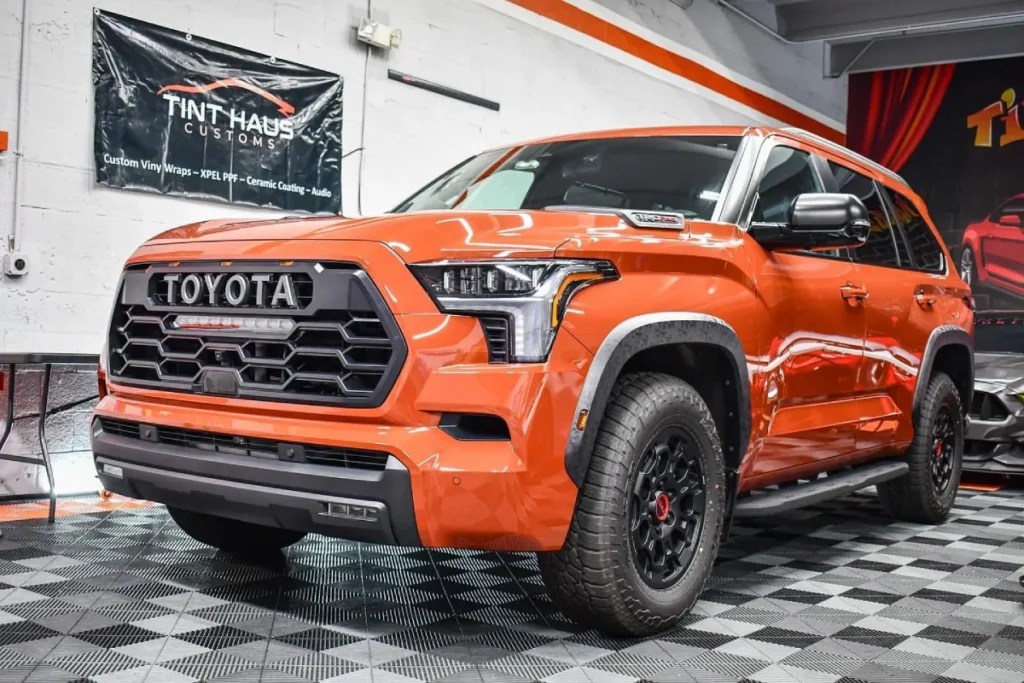
Proper Timing Maximizes Ceramic Coating Performance
Waiting for the appropriate cure time provides several benefits.
These include:
- Improved coating adhesion
- Better long-term durability
- Enhanced gloss
- Greater chemical resistance
- Longer-lasting paint protection
For example, a vehicle owner in Rio Vista planning to protect a newly repainted vehicle can benefit from allowing the paint to cure fully before investing in ceramic coating.
Taking a patient approach helps maximize the performance of both the paint and the protective coating.
Typical Ceramic Coating Timing by Paint Type
| Paint Type | Typical Ceramic Coating Timing | Notes |
| Factory paint | Usually ready | Factory curing differs from aftermarket repainting |
| Fresh aftermarket repaint | Often 30 to 90 days | Follow body shop recommendations |
| Air-dried repaint | Varies | Depends on the paint system and curing conditions |
| Bake-cured repaint | Often shorter | Always follow manufacturer guidance |
| Unknown paint history | Professional inspection recommended | Verify curing before coating |
While these timelines provide general guidance, every vehicle is different. Always follow the recommendations provided by the paint manufacturer or repair facility before scheduling ceramic coating.
Paint Curing and Ceramic Coating Terms Every Vehicle Owner Should Know
Understanding these common terms makes it easier to know when your vehicle is ready for long-term paint protection.
Paint Curing: The chemical process during which automotive paint fully hardens and releases remaining solvents after application.
Dry to the Touch: A stage where the paint surface feels dry but may still be curing beneath the surface.
Ceramic Coating: A liquid protective coating that bonds with automotive paint to enhance gloss, durability, chemical resistance, and environmental protection.
Clear Coat: The transparent protective layer applied over the color coat to enhance gloss and protect the paint.
Paint Correction: A machine polishing process that reduces swirl marks, oxidation, and other paint imperfections before coating application.
Solvent Release: The gradual evaporation of solvents from freshly applied paint as it cures, helping it reach its intended performance.
Myth: Ceramic Coating Can Be Applied As Soon As Fresh Paint Dries
A common misconception is that once freshly painted panels feel dry, they are immediately ready for ceramic coating.
In reality, dry paint is not necessarily fully cured. Many aftermarket paint systems continue releasing solvents for several weeks after application. Applying ceramic coating too early may interfere with this process and affect the long-term performance of both the paint and the coating.
Professional ceramic coating in Fort Lauderdale services begin by verifying that the paint has had adequate time to cure before applying long-term protection.
Best Practices Before Applying Ceramic Coating to Fresh Paint
To achieve the best possible results:
- Follow the curing recommendations provided by the body shop or paint manufacturer.
- Avoid applying ceramic coating before the recommended cure period has passed.
- Wash the vehicle using gentle methods while the paint continues curing.
- Schedule a professional paint inspection if the vehicle’s paint history is uncertain.
- Complete paint correction only after the paint is fully cured, when appropriate.
- Choose experienced installers familiar with freshly refinished vehicles.
- Apply ceramic coating only when the paint is ready to ensure maximum durability and performance.
Taking these steps helps protect your investment and allows the coating to bond properly with the finished paint surface.
In Summary
Allowing fresh automotive paint to cure completely before applying ceramic coating is one of the most important steps in protecting your vehicle’s finish. Although many aftermarket paint systems require approximately 30 to 90 days of curing, the exact timeline varies depending on the paint products, application methods, and environmental conditions. Following professional recommendations helps ensure proper paint development and creates the ideal surface for long-lasting ceramic protection.
By waiting until the paint is fully cured and having the vehicle professionally evaluated, you can maximize the durability, appearance, and performance of both your paint and ceramic coating.
If you’re considering ceramic coating in Fort Lauderdale, FL, trust Tint Haus Customs for expert guidance and professional installation. Our experienced team can inspect your vehicle’s paint, determine whether it has fully cured, and recommend the ideal time to apply it for lasting gloss and protection.
Contact us today to schedule a consultation and let our specialists help protect your newly painted vehicle with a ceramic coating applied at the right time for long-term performance and exceptional results.
People Also Ask
How long should fresh paint cure before ceramic coating?
Many aftermarket paint systems recommend waiting approximately 30 to 90 days, although the exact timeframe depends on the paint products used, environmental conditions, and manufacturer recommendations.
Can ceramic coating damage fresh paint?
Ceramic coating does not typically damage paint itself, but applying it before the paint has fully cured may interfere with the curing process and reduce long-term performance.
Is factory paint different from a body shop repaint?
Yes. Factory paint is cured under highly controlled manufacturing conditions, while aftermarket repainting often requires additional curing time after the vehicle leaves the body shop.
How can I tell if my vehicle’s paint has fully cured?
The most reliable approach is to follow the recommendations provided by the repair facility or paint manufacturer. If you’re unsure, a professional inspection can help determine whether the paint is ready for ceramic coating.
Should paint correction be completed before ceramic coating?
Yes. Once the paint has fully cured, paint correction is often recommended to remove minor imperfections before ceramic coating is applied, creating a smoother surface for optimal results.